
How AI Wearables Help Safety Teams See Risks Before Incidents Happen
The visibility gap on complex jobsites
Industrial operators often manage workers across multiple floors, zones, substations, shafts, or remote locations. Traditional safety checks depend on manual reporting, camera blind spots, and delayed incident escalation.
AI safety wearables help close that gap by putting perception, communication, and alerting directly on the worker. Instead of waiting for a supervisor to notice a violation, the device can detect and report risk signals in real time.
What AI wearables can monitor
- PPE compliance and unsafe behavior through on-device visual detection.
- Worker location, attendance, trajectory, and zone-level geofencing.
- Fall events, SOS requests, abnormal posture, and emergency video calls.
- Environmental risks such as gas detection or high-voltage proximity depending on device configuration.
Why on-device AI matters
On-device AI reduces reliance on unstable networks and shortens the time between detection and warning. For demanding sites, that speed matters: supervisors need alerts while a risk is still preventable, not after an incident report is filed.
From single device to safety ecosystem
The strongest value appears when wearables connect to a command platform. A supervisor can verify attendance, review worker locations, receive SOS alerts, open live video, and coordinate response from one operational view.
Choosing the right ORSNO configuration
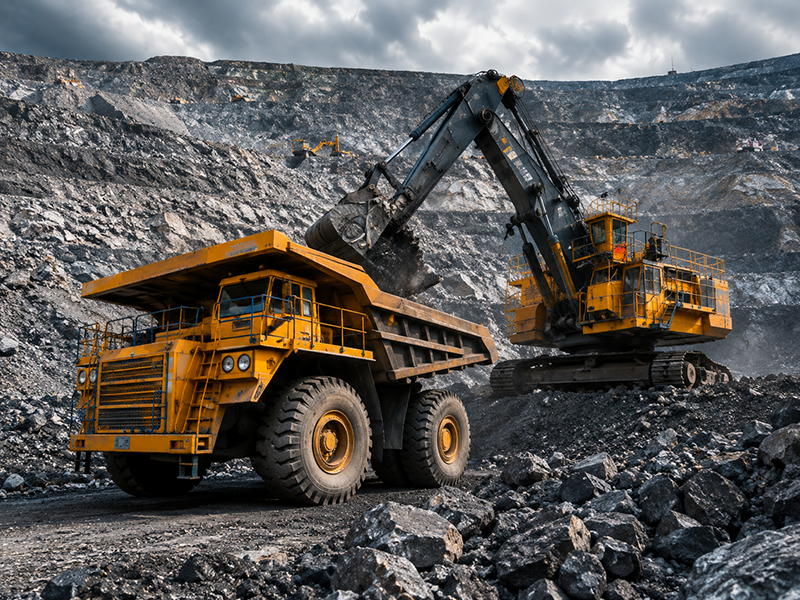
Construction teams may prioritize AI vision and PPE compliance. Utility and petrochemical teams may prioritize explosion-proof design and voltage proximity alerts. Underground mining teams may need gas detection and UWB positioning. The right device should match the site risk profile, not just the hardware specification.